"The hour of the American barbarian is at hand. Violence, excess, waste, mercantilism, bluff, conformism, stupidity, vulgarity, disorder." — Aimé Césaire
Spiders are among the best evidence we have that there are no gods as we have known them throughout our struggle over tens of thousands of years to explain our world.
We lack the imagination to do it right, creating as we do gods that are like ourselves, but with superpowers — Anu, Marduk, Ra, Isis, Zeus, Huitzilopochtil, Athena, Apollo, Aphrodite, Jupiter, Onin, Loki, Brahma, Vishnu, Itzamna, Thor, The Great Spirit, Shiva . . . and on and on and on.
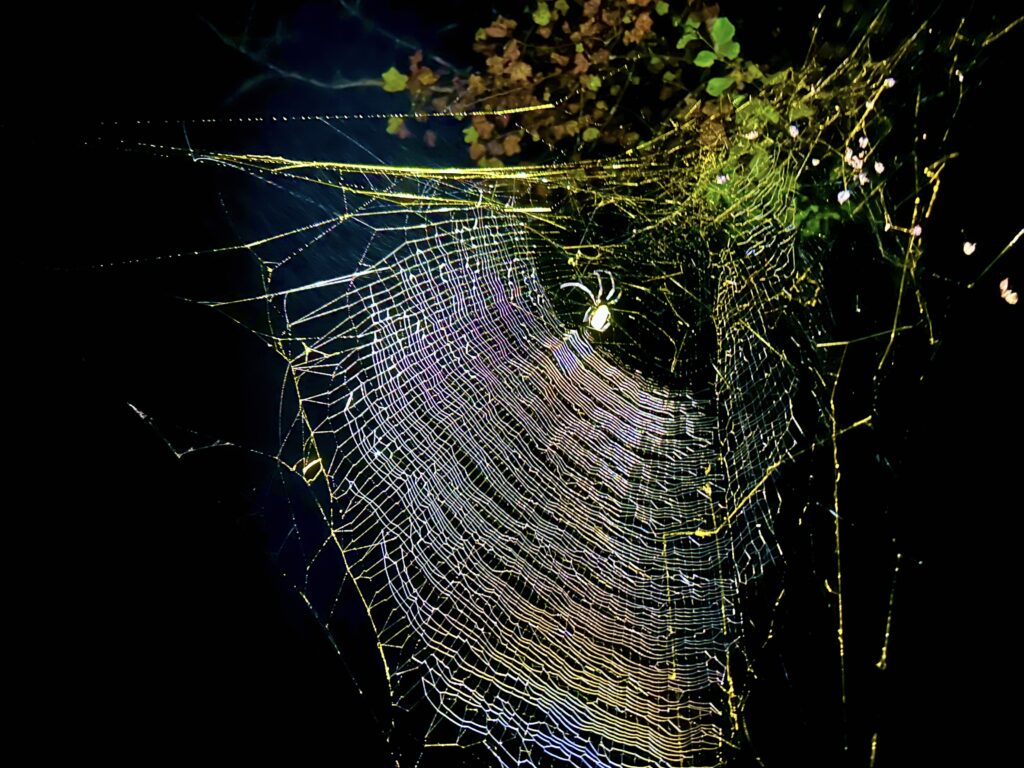
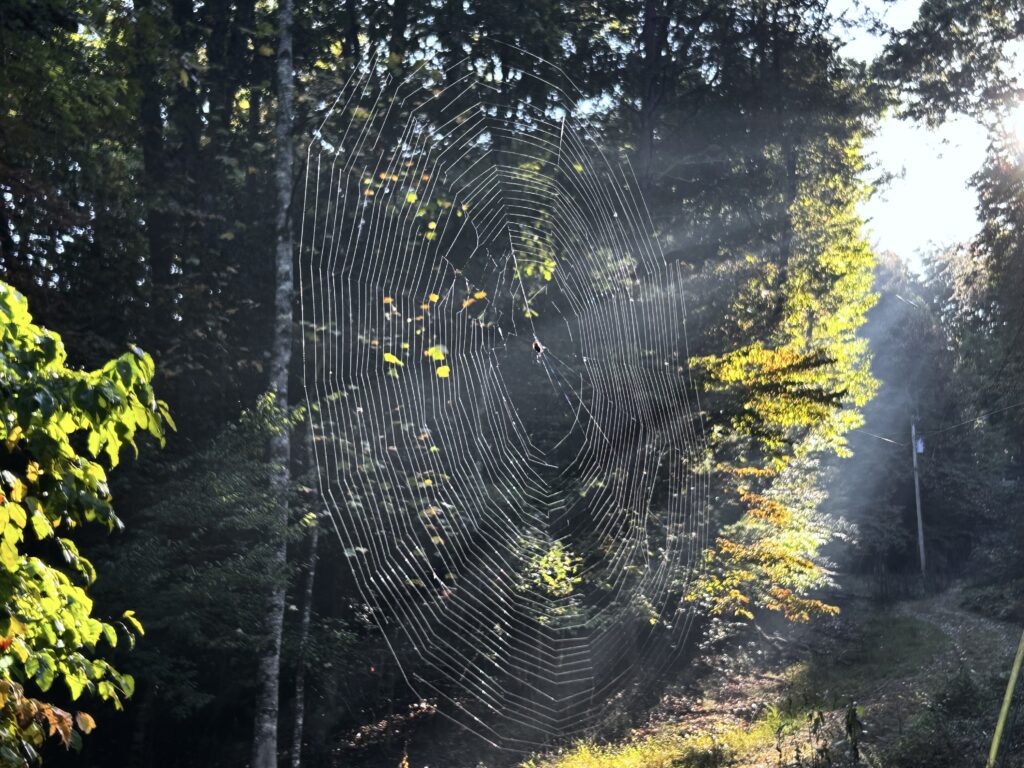
Spider web at night
Never getting it right.
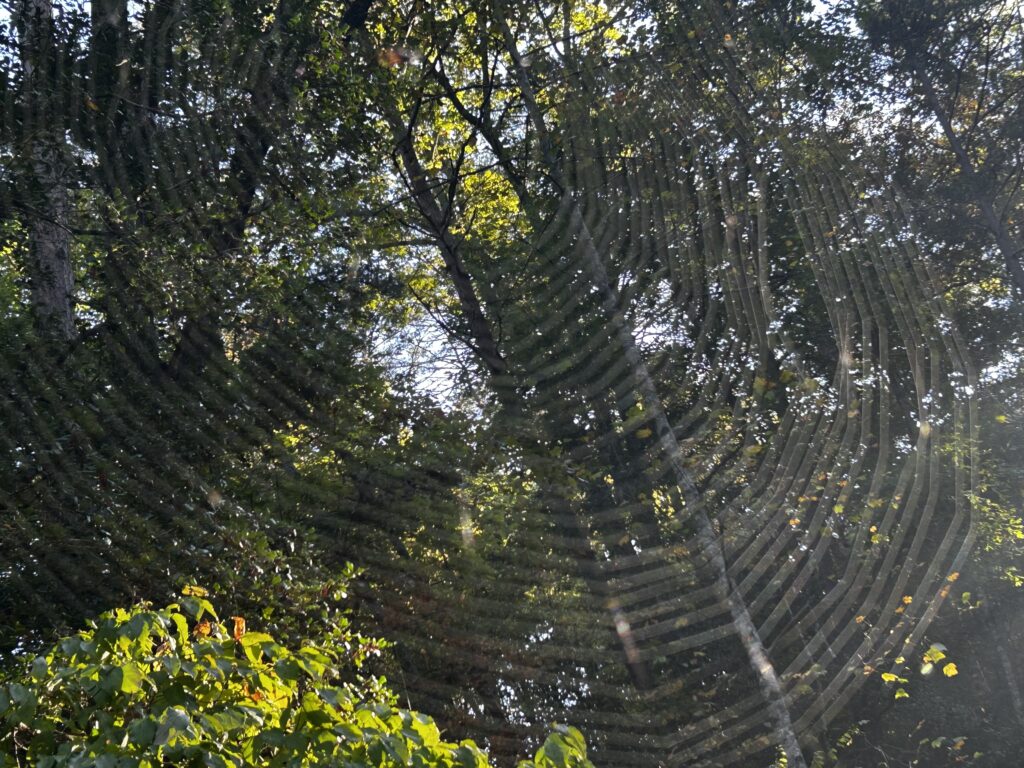
Spiders, meanwhile, pull a liquid protein from their bellies that crystallizes upon contact with the air and becomes a fiber far stronger than steel. In an hour or so they weave a geometrically astonishing home that is an extension of their brain.
Night is often the best time to view that marvel of nature we know as the spider web, and a working flashlight is the only tool you’ll need for the task.
That and a camera. You’re gonna want to take photos.
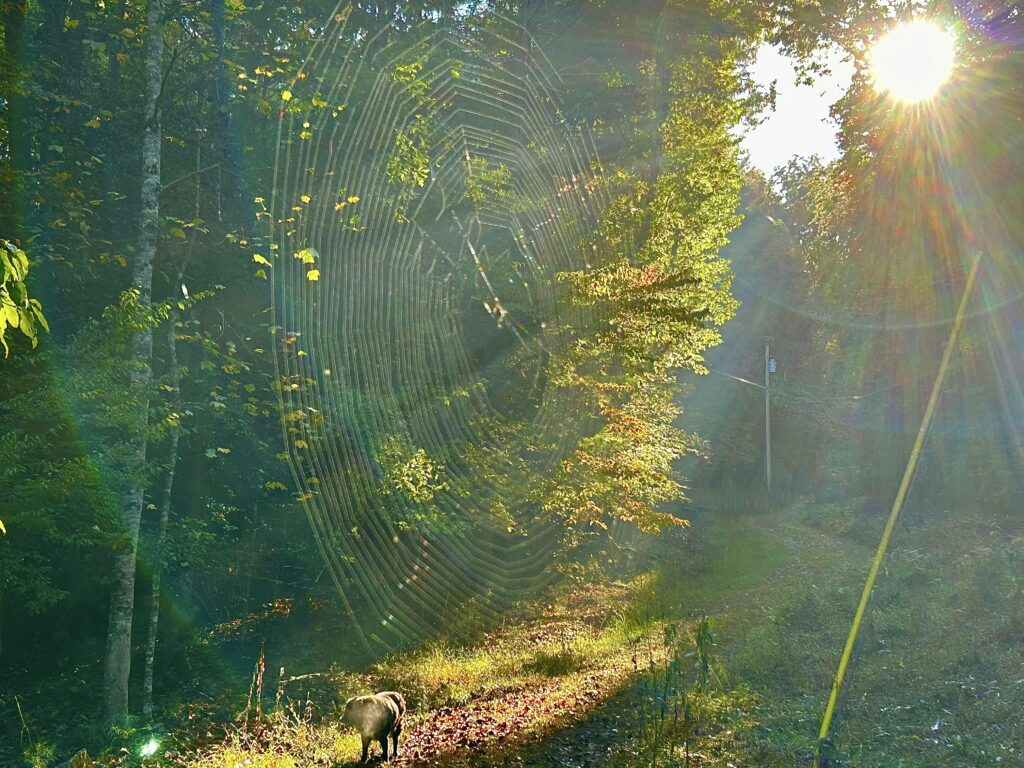
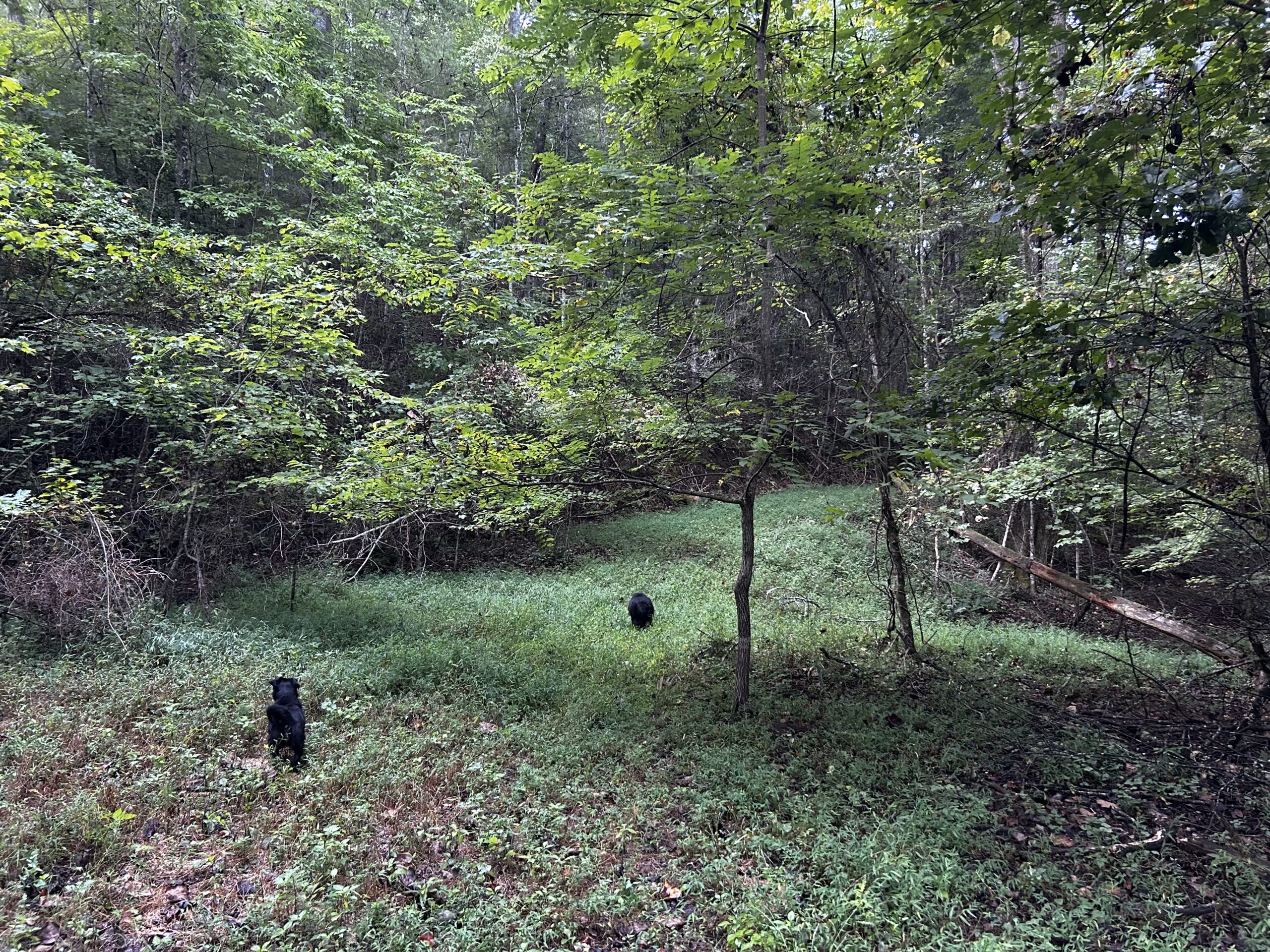
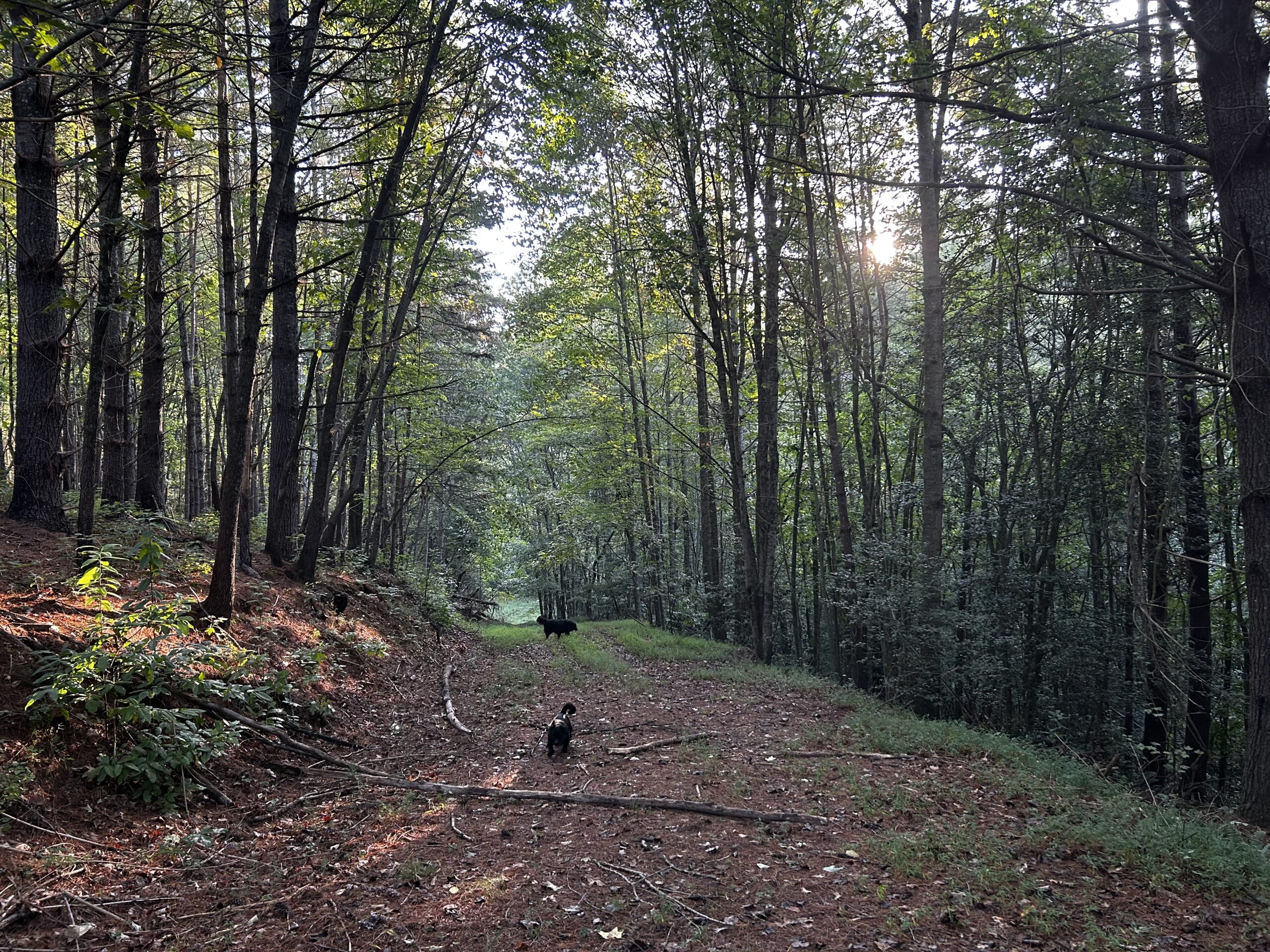
The fire-service roads lead deep into the Nantahala National Forest northwest of Murphy, and this morning — with dew still on the grass and mist thick in the air — we followed one of those roads into the trees to a clearing where it eventually gave way to a game trail.
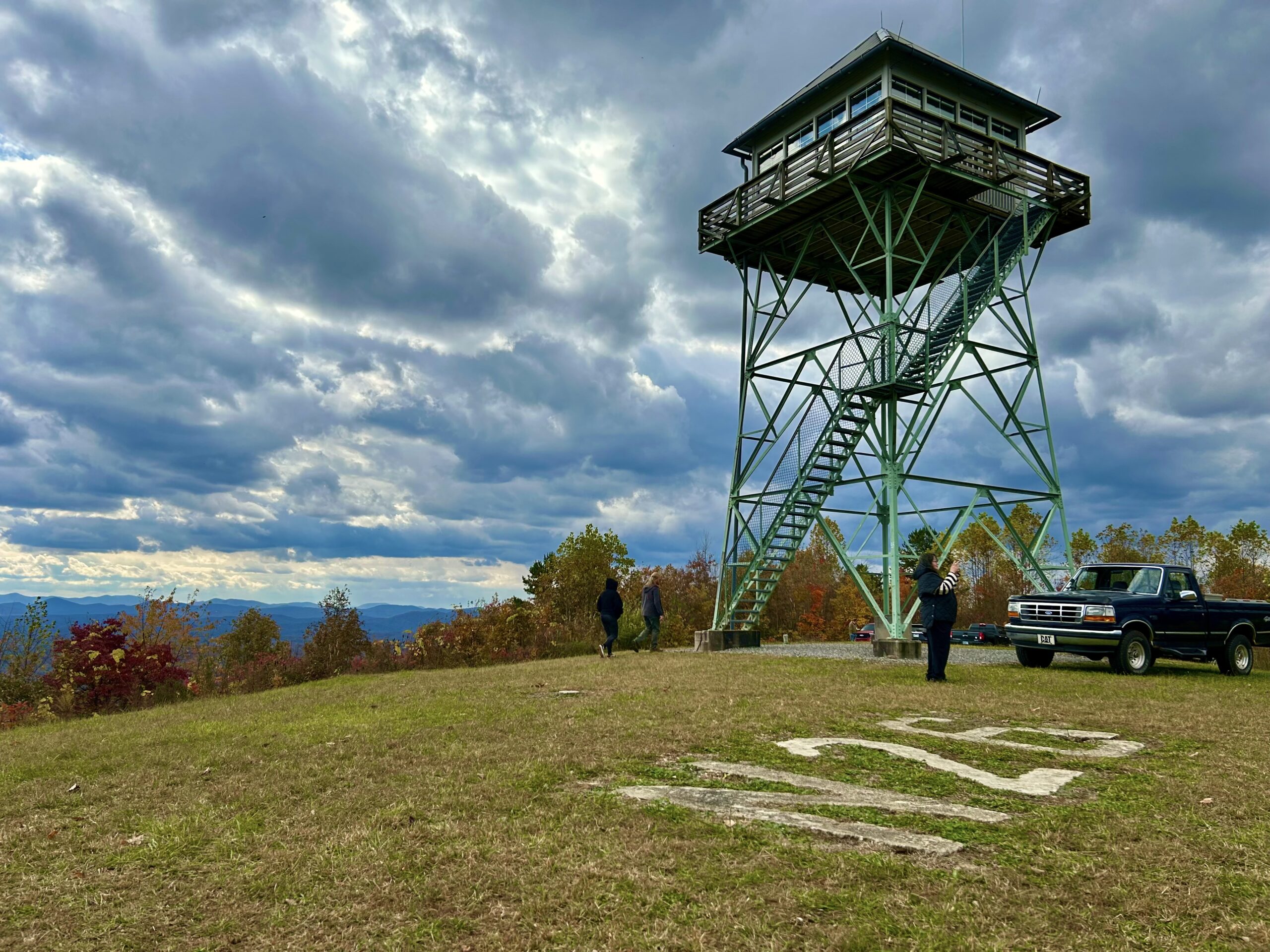
The Panther Top Fire Tower.
CLICK ON ANY OF THE IMAGES FOR AN EXPANDED VIEW
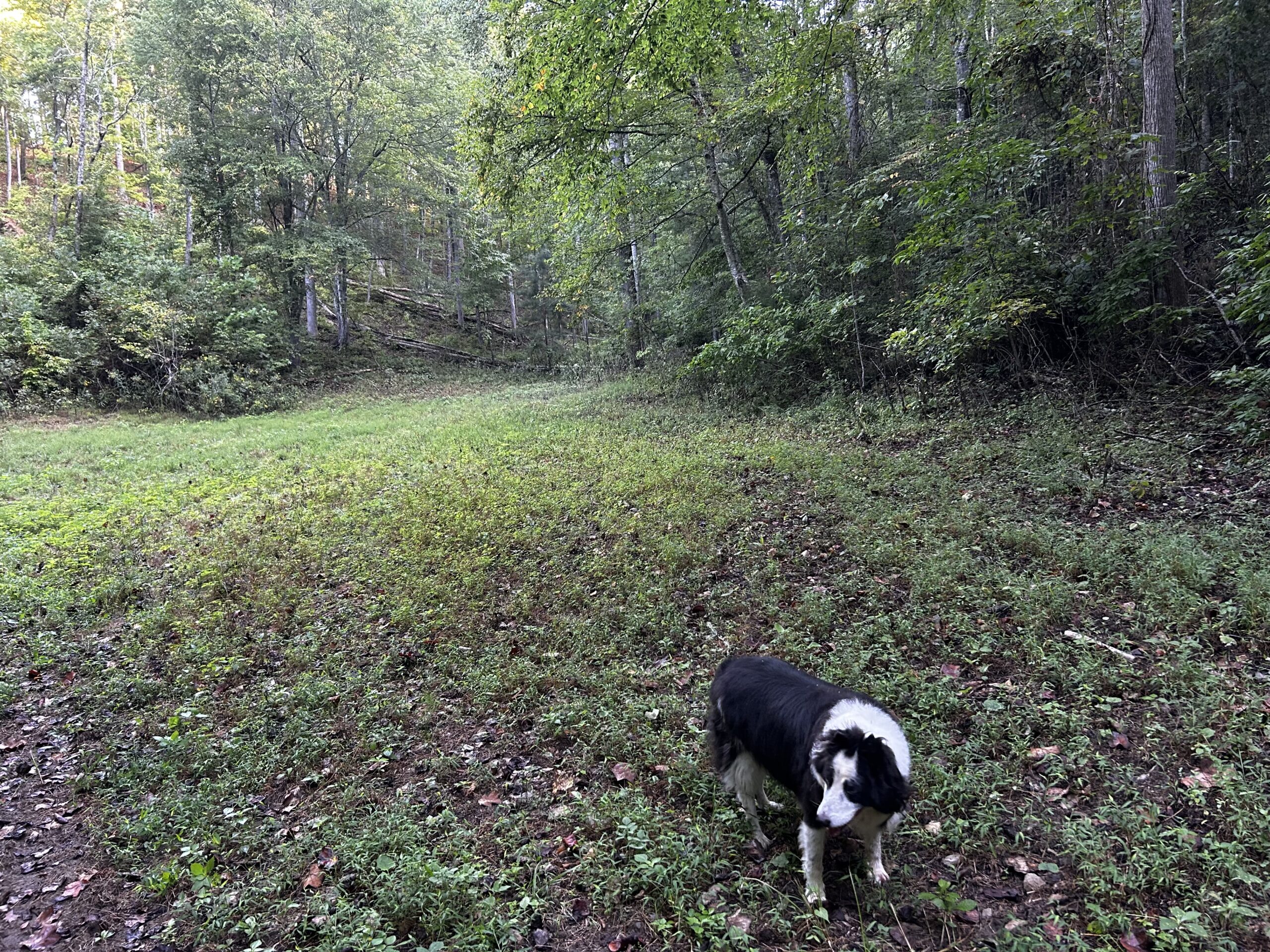
Phoebe was on point, as she often is, with short-legged Hazel just behind, then me, then Poe ringing up the rear as he always does.
Apart from the occasional bird call, the woods were quiet.
The closest human was probably at least three miles away, maybe at the Panther Top Fire Tower — a popular local sight-seeing spot that provides some great views of the surrounding mountains. But I doubted it. That’s mostly an afternoon undertaking, and it was not yet quite 8 a.m.
So I was pretty sure the pups and I had the woods to ourselves apart, of course, from the deer, black bear, possum, raccoon, squirrel, bob cat, and all the other critters that make their homes here.
With September more than half over, there was a carpet of leaves covering much of the forest floor, but the dampness still made for relatively quiet walking. Even so, the four of us made a fair amount of noise that would have alerted any forest dwellers to scoot to deeper cover long before we actually arrived on the scene.
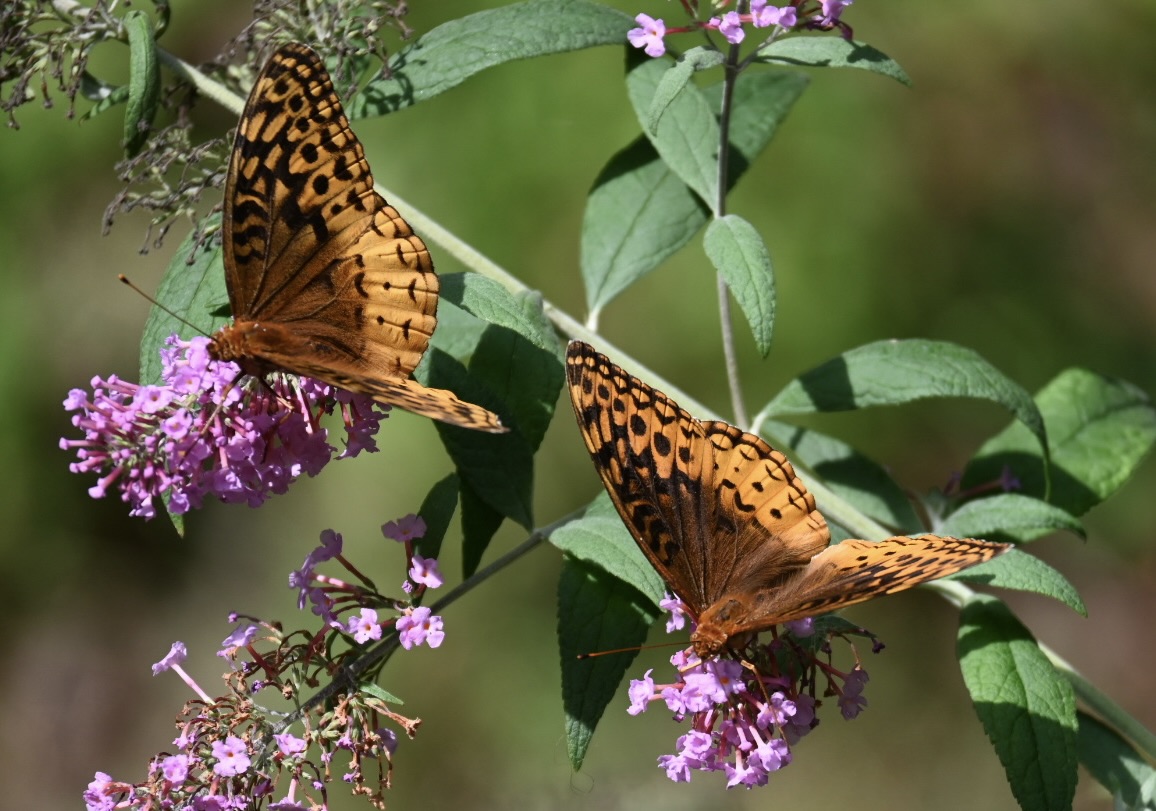
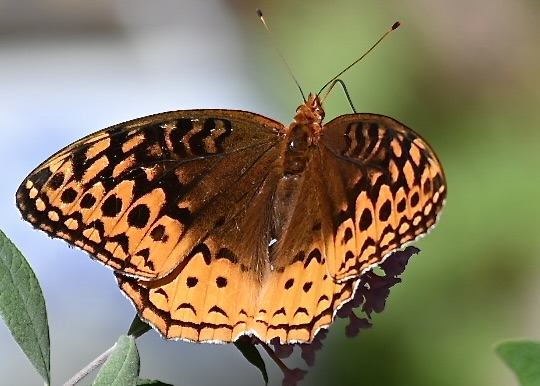
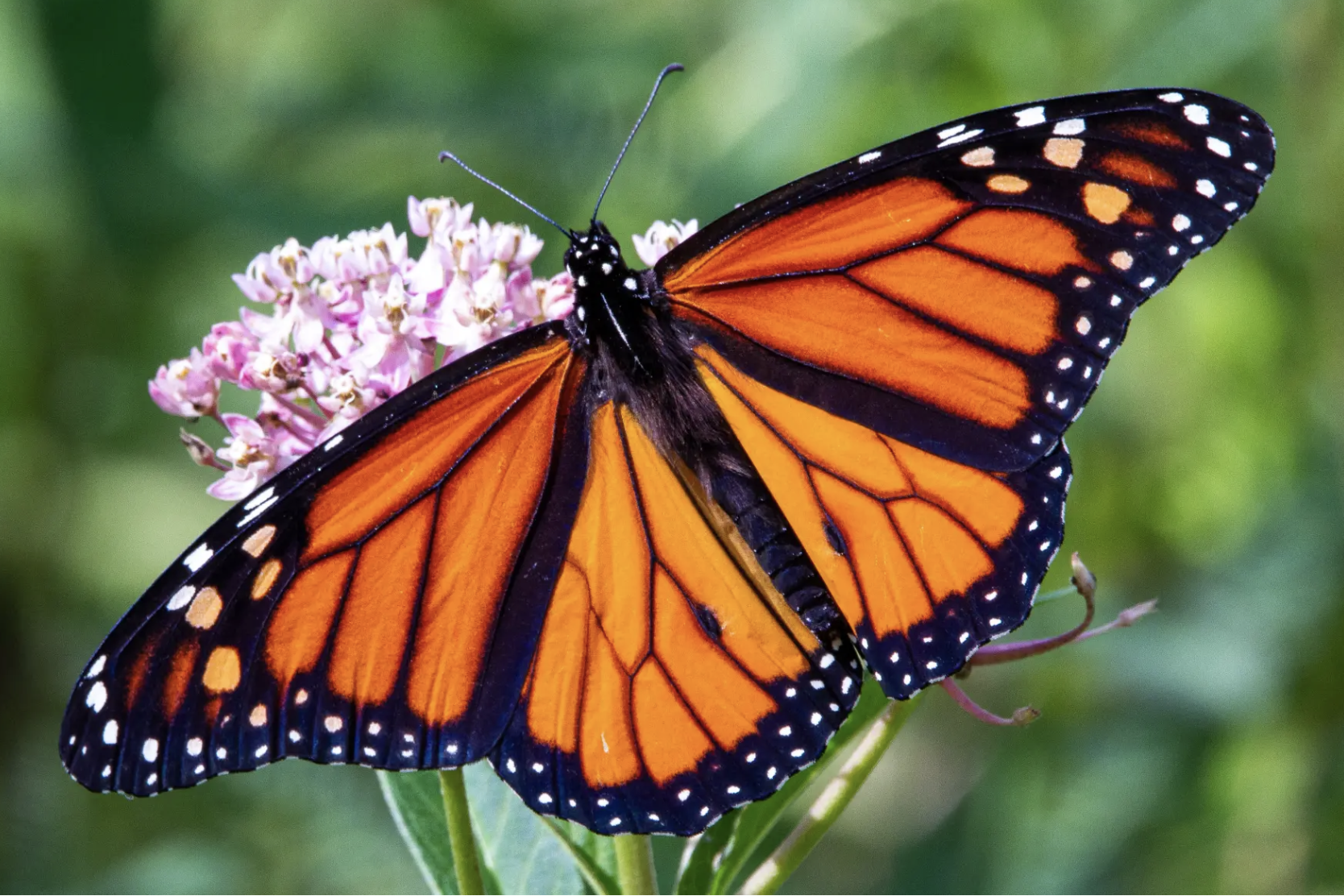
The Great Spangled Fritillary has been a frequent visitor these last few days to the butterfly bush growing beside the cabin, and they should be joined within days by the migrating Monarchs who’ll be making their annual trek through the North Carolina mountains, a journey that peaks for us in September or early October.
I’ll be the first to admit that I’m no lepidopterist, which should be obvious since I carelessly misclassified the two Great Spangled Fritillary in the photo below.
Great Spangled FritillaryGreat Spangled FritillaryMonarch (Google Photo)
The Fritillary are year round dwellers in the North Carolina mountains, unlike the migrating Monarchs.
The Monarchs will be coming through in droves later in the month on a journey of as much as 3,000 miles from Canada, Pennsylvania, or New York State, en route to Mexico, Panama, or some other Central- or South-American country.
I took the photos of the Great Spangled Frilliaries around 3 p.m. on Sept. 5, 2026. The image of the Monarch is a screen-grab from Goole images.
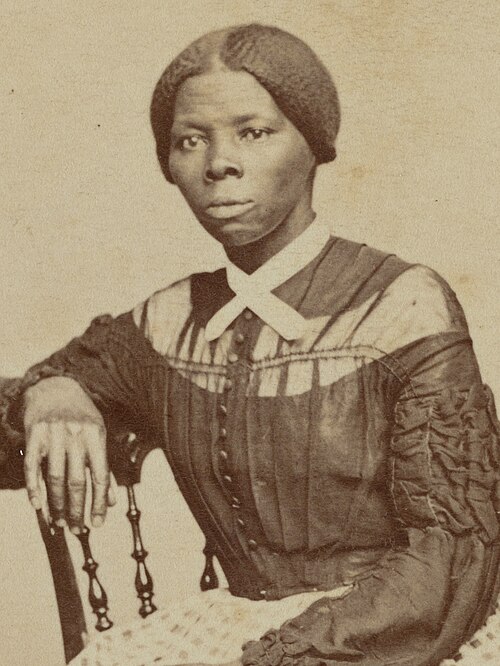
Harriet Tubman was born into slavery here outside Cambridge, Maryland, in Dorchester County, and no one could have predicted at her birth in 1822 that she would become its most famous and most celebrated citizen.
Harriet Tubman from a photograph taken in the 1860s or early 70s.
Tubman was a freedom fighter like no other. Though “barely five feet tall,” she became a giant.
In 2024, the Maryland National Guard posthumously promoted her to brigadier general for her work as an armed scout and spy during the Civil War,. She especially was noted for her heroism leading the Union raids on the Combahee River Ferry in Beaufort County, South Carolina, where some 700 plantation slaves were freed.
But Tubman was even bigger than that.
She had already become known for her escape from slavery and her night-time forays back into slave states to rescue and escort slaves to freedom.
In 2019, the National Museum of African American History and Culture and the Library of Congress jointly acquired the photograph above that was compiled by a Quaker school teacher who taught at Camp Todd, the Freedman’s School in Arlington, Virginia.
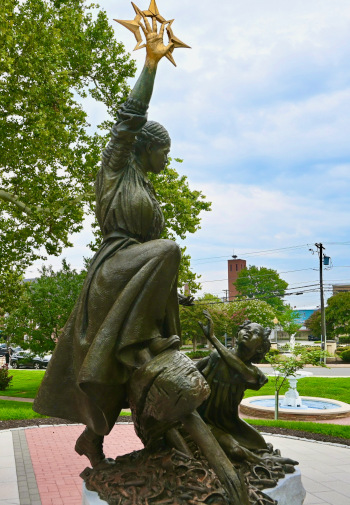
Harriet Tubman statue in downtown Cambridge, Maryland
The album was originally compiled as a gift for Tubman and contained 49 images taken during the 1860s.
“This photo album allows us to see Harriet Tubman in a riveting, new way; other iconic portraits present her as either stern or frail,” said Lonnie G. Bunch III, the founding director of the museum. “This new photograph shows her relaxed and very stylish. Sitting with her arm casually draped across the back of a parlor chair, she’s wearing an elegant bodice and a full skirt with a fitted waist. Her posture and facial expression remind us that historical figures are far more complex than we realize. This adds significantly to what we know about this fierce abolitionist—it helps to humanize such an iconic figure.”
Walking the streets of Cambridge today, where murals of Tubman and the Underground Railroad she helped establish adorn building walls, and shops sell Tubman goods and memorabilia, it’s fitting to be a bit awed by all she accomplished.
If everyone always lies to you, Hannah Arendt once wrote, the consequence is not that you believe the lies, “but that no one believes anything at all anymore—and rightly so, because lies, by their very nature, have to be changed, to be ‘re-lied,’ so to speak” — the liar constantly rewriting his own history.
Arendt was concerned with government lies, which require officials too to constantly rewrite history. Under a system of government lies, she believed, people are deprived of their capacity to act, their capacity to think and to judge. “With such a people you can then do what you please,” Arendt wrote.
In this 1936 photograph from Hamburg, Germany, a man believed to be August Landmesser refuses to take part in the Nazi salute while a crowd cheers and salutes Adolph Hitler at a naval shipyard.
But a lying government often has little more to do to keep the populace in line. The people themselves begin to lie as part of their everyday lives. They mirror their government and their government mirrors them.
We are all George Santos. We pad our resumes. We spend our working years sitting behind a desk, shuffling papers, and when we grow old we feel the absence of adventure. We make do with tall tales.
And the only harm in inventing stories to make our lives more interesting are the lies themselves. The lies become our lives.
There are few August Landmessers among us. We are sheep.
Loneliness, Arendt counseled, is a better choice than associating with a dishonest person, a liar; those who keep company with liars will soon be liars themselves.
The domesticated tomato may date back 7,000 or more years, but the 2026 edible variety didn’t show up in Murphy, North Carolina, until July 23 at our local farmers market. At least this was the first I had seen this season.
So, naturally I’ve been eating a summer’s worth of tomato sandwiches since. And every one has been worth its weight in gold.
For those who want to know, the wild ancestor of the tomato, the red-fruited Solanum pimpinellifolium, is native to Chile, Peru, and Ecuador. The exact date of domestication is unknown, but as I said earlier, about 5,000 years before the Modern Era — some 7,000 years ago.
But it’s darn odd to me that the tomato is that old and yet mankind endured another 6,900 years or so before the first mention of the tomato sandwich. That didn’t happen until 1911 when The Virginia Chronicle newspaper published the first reference to a workingman’s tomato sandwich — which the idiot paired with watermelon, according to the newspaper anyway.
Watermelon with tomato! The indignity!
The tomato itself goes with lots of things, it’s true, but I doubt any southerner has wanted to pair it with melon. Go figure.
Anyhow, for a sandwich, the only absolute requirements are good bread, Duke’s Mayonnaise, and bacon. Lettuce may not be essential, but it’s a wonderful addition to the tomato sandwich. But with the current scare over the nasty stomach ailment known as cyclosporiasis I’ve been avoiding that leafy green addition for the time being.
So salute the wonderful tomato — not the supermarket variety, which you can buy year round though rarely if ever enjoyably. Supermarket tomatoes are legendary in their tastelessness.
Murphy, my adopted hometown, is doing its best to plug the gaps in tomato appreciation and history. This coming Saturday, August. 1, the Cherokee Clay Food Alliance in conjunction with the Murphy Farmers Market bring us the 3rd annual Tomato Fest on the farm market grounds at the old train depot.
And it’s peak season for the truly edible variety. I plan to make the festival to restock my tomato supply. I hope you can.
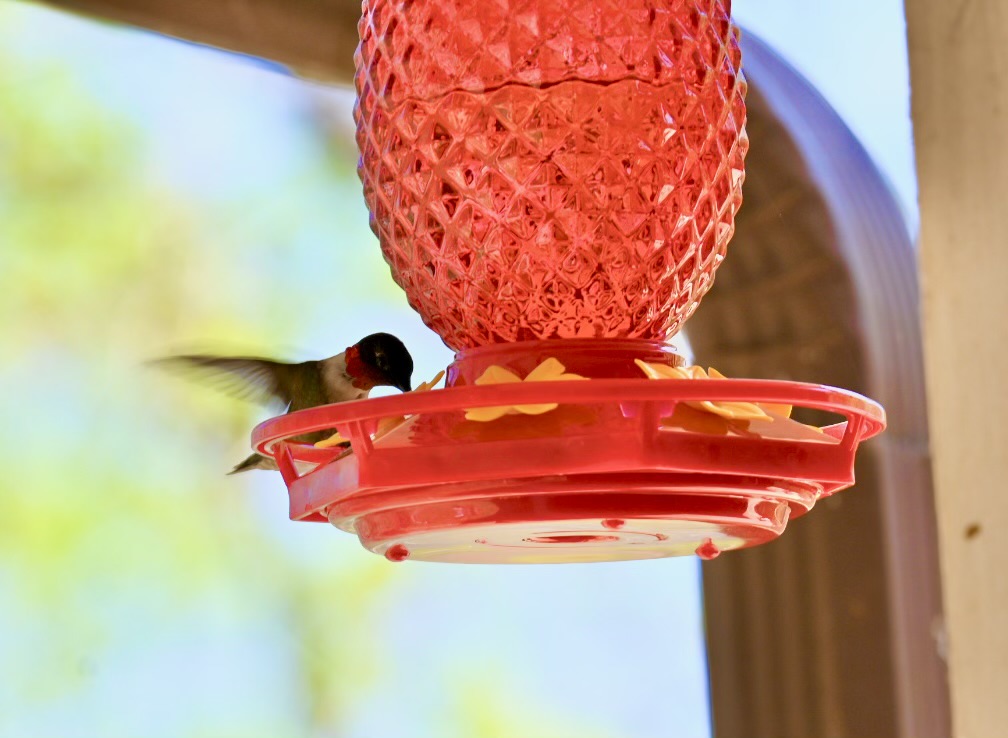
The first hummingbird of spring visited my deck on Thursday, two days ago, and today, Saturday, April 11, I finally got a photo of one.
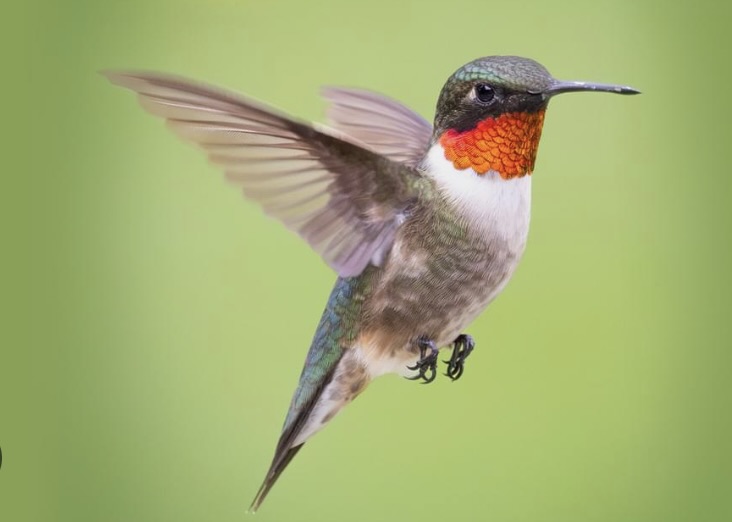
The visitor I got a blurry photo of traveled to Cherokee County, North Carolina, from Central America. Like most of his fellow travelers, he is a ruby-throated hummingbird — the primary species we have in this part of the country.
According to researchers at North Carolina State, millions of hummingbirds make the trip back and forth from North Carolina to Central America.
The males arrive first, some as early as late March and others in early- to mid-April. The females are not far behind. The small birds are like many of our part-time residents — here for the season, where they will nest, mate and breed.
But before the weather turns too cold in the fall, they’ll head south again, many of them traveling across the Gulf of Mexico to warmer climates in Southern Mexico, Belize, or Guatemala. Some travel as far south as Panama.
By mid-October, most if not all of the tiny, colorful critters will be gone to spend the winter in the warmer south. While many travel overland through Texas and Mexico, others map a more direct route, flying straight across the Gulf of Mexico and into Central America.
Photo from the Cornell Lab of Ornithology. The small birds can beat their wings as many as 60 times per second, an astonishing feat that demands lots of oxygen.
To beef-up for the 1,500- to 2,000-mile trip, hummingbirds will gain roughly from 25 percent to 50 percent of their regular weight — and occasionally up to 100 percent — from 3 grams to 6 grams.
Even so, estimates are that nearly half the migrating population may not survive the trip. And for some species, the trip is much longer than 2,000 miles. Rufous hummingbirds, for example, migrate from their winter habitats in Western Mexico and follow the Pacific flyway north into California and then on to Alaska where they nest and breed over the summer.
Those who survive make it to Alaska by May, and by July have had their families, and are heading south again to take advantage of late blooming alpine flowers.
Migration isn’t the only danger these tiny specialized nectarivores. Some species have lost half their numbers to pesticide use and other environmental degredations of the modern era. But they also are highly adaptable.
There are now more than 330 recognized hummingbird species, but UC Berkeley herpetologist Jimmy McGuire believes that number could double in the next several million years. “We are not close to being at the maximum number of hummingbird species,” McGuire says.
Georgia State Road 197 intersects U.S. 76 between Hiawassee and Clayton, Georgia, plunging south through Moccasin Creek State Park and the mountains of the Chattahoochee National Forest until it dumps Helen-bound motorcyclists onto Georgia State Road 356.
From there you’ll follow the scenic, twisting two-lane through the valleys and mountains, past Unicoi State Park, and into Helen, a Bavarian-style, wannabe Alpine tourist trap cut through by the picturesque Chattahoochee River.
Outside Unicoi State Park in north central Georgia.
Weekend seasonal traffic is always bumper to bumper through Helen — it’s less than 100 miles from Atlanta, after all — but it’s a tiny village and being stuck in slow-moving traffic for five or six blocks can afford some prime people watching as folks parade by on the nearby sidewalks. So, relax.
Customer at a fast food stop in Helen, Georgia, with a “Jesus is My Big Homie” T-shirt. Probably a Southern thing. I didn’t ask. The front of her shirt said, “Godgang.” I got the picture.
If you’re on a motorcycle you’ll have plenty of two-wheel company. At one main-drag beer joint I passed on Sunday, March 22, there seemed to be 90- to 100 Harleys (mostly) jockeying for a parking space, and another 70 or so already parked.
Lots of motorcycles.
But if you happen to live like a teetotaling frickin’ monk, as I have been these past 10 years or so, you won’t be tempted by beer anyway, so keep going.
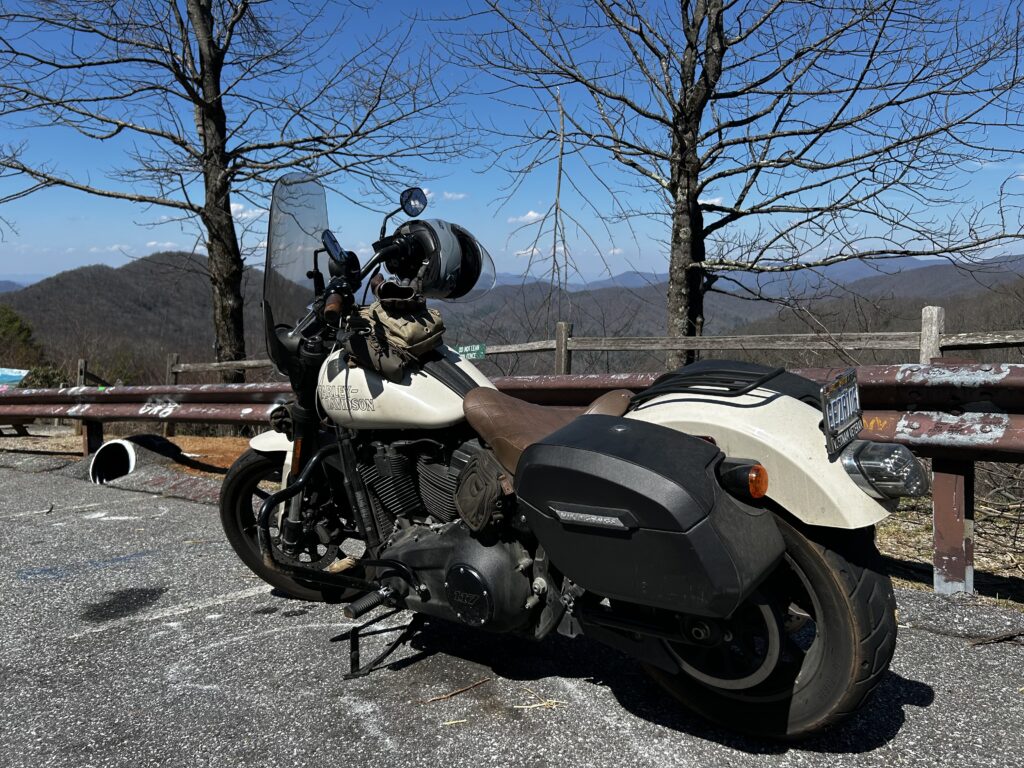
At the Hogpen Gap overlook on the Russell Scenic Highway in Georgia.
From my cabin, following the route I took on this trip, it’s possible to make a pleasant 140 mile loop through Helen and onto the Richard B. Russell Scenic Highway — often praised as one of the most beautiful drives in north Georgia — and back to Cherokee County, North Carolina, without seeing the same scenery twice.
It’s an enjoyable bike ride, and the mid- to high- 70-degree weather we had Sunday made it a real pleasure.
Russell, by the way, was a racist Georgia governor and U.S. Senator who was one of the key figures in filibustering civil rights legislation in the 1960s, along with Mississippi’s John Cornelius Stennis, James Oliver Eastland, and a host of other bigoted, duck-dicked, discriminatory throwbacks to a Rebel yesteryear that is, sadly, enjoying something of an injudicious revival among numb-nuts on the far-right of American and other nation’s politics — a revival sparked in no small part by Donald The Dickless Duck Trump.
A selfie at the Hogpen Gap overlook. The Appalachian Trial crosses the road at this point.
Speaking of dicks and Trump, it’s easy to imagine he has a wee detachable penis similar to the orb spider, and, also, similarly, to imagine he was left a eunuch a few years back — as are all mating male orb spiders — when reportedly attempting to force his tiny member into the mouth of a 13 year old, who (again, reportedly) bit him on his little thingamajig, prompting the indignant U.S. president to slug her in the head.
This is mentioned in the Epstein Files. Just something we’ve all heard about President Jackass, an ignorant rotted snotball of a man.
Makes one wonder about those who voted for this amoral manchild creature — many of whom voted for him twice. Twice. Dear god. Think about that. Twice.
Dear Lord Odin, our beloved Allfather, guide us from this wicked, wanton, wallowing, witless wilderness, we humbly pray in thy exalted name. Now, damnit. Get us out now! Amen.
Two days of cloudy cold weather packed up, bundled up, and trundled up the mountain paths and out of western North Carolina just in time for spring, 2026, which arrived today with sunshine and temperatures that stretched to 72 degrees.
Tomorrow, the weather god, Freyr, promises even more sunny warmth. Word is he’ll push the mercury to 78 degrees under this March sun.
Spring has come to the Mountains.
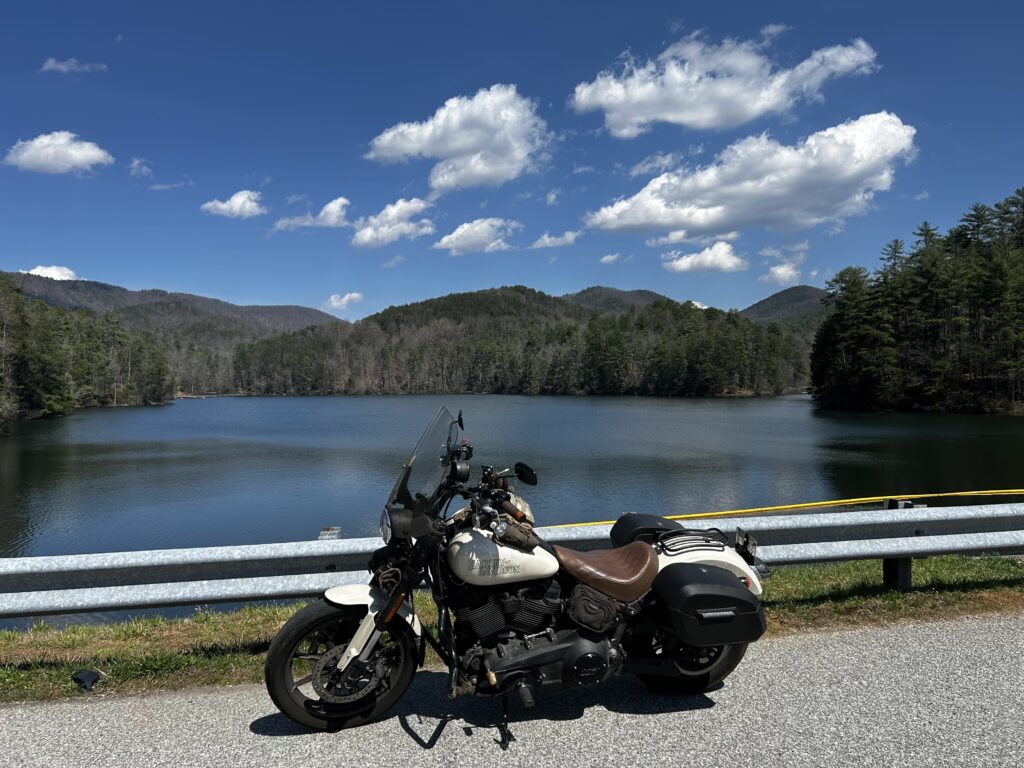
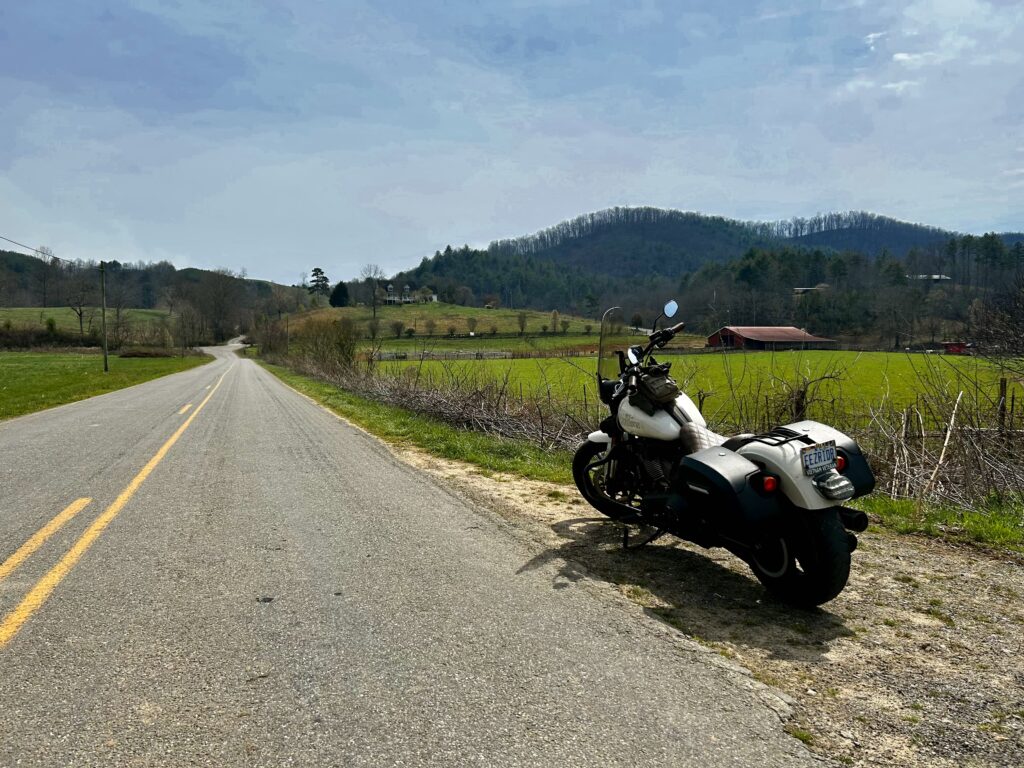
To celebrate Spring’s arrival, I took the Harley out of the basement and onto the mountain roads in Cherokee County, North Carolina, and Union County, Georgia.
But first, Hazel and I took the truck over the mountains to Franklin, North Carolina, to deliver samples of some of my body fluids so that the VA can test them for still more diseases and disorders that plague us elderly folk — and that’s all I’ll say about that.
Anyway, I took the photo above somewhere along the Georgia-North Carolina boundary on my much more pleasant motorcycle ride.
If you remember, back in 2024, Spring came on March 19 — a day or so early, the earliest in the U.S. since 1896.
You’ll recall from Elementary School that every year divisible by 4 is a leap year, in which a 29th day is added to February to account for the little white lie that we tell ourselves about our 365-day years. To be precise, of course, our years are not 365 days long, but 365.2422 days long. The Earth’s 574,395,530-mile annual orbit of the sun really takes a wee bit longer than 365 days.
The adjustment of days in 2024 — a leap year — led to the early Spring.
I’d be remiss if I didn’t also add that you can always tell when Spring arrives in Murphy, N.C., because of the re-opening of the Sweet Tooth, an ice cream shop downtown on Andrews Street.
The popular shop closes every year for the winter on Labor Day.