
Five New York newspapers gave birth to The Associated Press in 1846 when they pooled their resources to share the cost of reporting on the Mexican-American War.
And for the 180 years since then, the wire service has served newspapers all over the world.
No more, at least not as a core part of its business.
Today it announced buyout offers it has made to more than 100 of its journalists and said it is pivoting away from newspapers and shifting to visual reports, and will be trying to develop new revenue sources through companies investing in artificial intelligence.
It’s a bow to the realities of today’s media landscape. Newspapers now make up just 10 percent of the AP’s income.
But even in today’s news world, the announcement is something of a stunner: Journalists of my generation grew up on the AP, where the click, clatter and chiming “ding” of an Associated Press teletype was the background hum of our newsrooms.
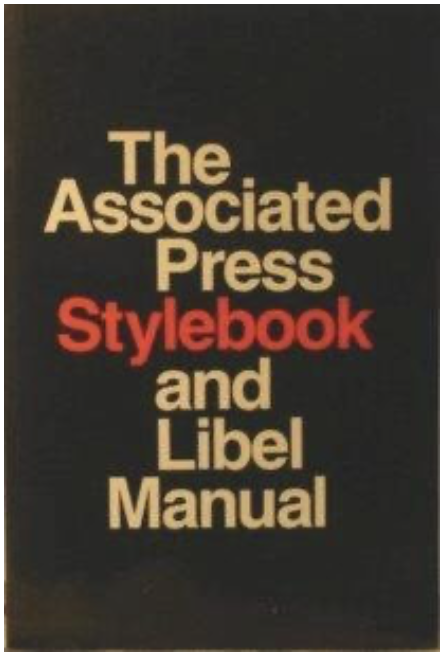
“The Associated Press Stylebook and Libel Manual” was one of the first things an aspiring newspaperman bought — usually with his first paycheck if he or she didn’t already own a copy.
“We’re not a newspaper company and we haven’t been for quite some time,” Julie Pace, executive editor and senior vice president of the AP, told the AP’s own David Bauder.
Gannett and McClatchy, two of the U.S.’s largest newspaper companies, stopped publishing AP wire content in 2024, contributing to a 25 percent decline in The Associated Press’ newspaper revenue in the past four years.
According to Bauder’s article, the AP had also learned that Lee Enterprises, yet another large newspaper publisher and AP client, was looking for a way out of a contract that is set to expire at the end of this year.
Pace told Bauder that whether or not the company conducts layoffs will depend on how many people take the buyout.
Still, Pace said, “The AP is not in trouble…We’re making these changes from a position of strength but we’re doing so now to recognize our changing customer base.”
The AP will be upping its video teams, as well as adding journalists to beats “on topics of known customer interest.” It will also still have journalists in all 50 states.
Lately, the AP has been looking to tech companies for revenue (and says its revenue from such deals has grown by 200 percent over the last four years. It’s made deals with Google and OpenAI, and in March announced a deal to provide election data to the prediction market Kalshi. Elections in particular are a big money-maker for the AP; last year ABC, CBS, NBC, and CNN all signed up for its service providing election data.
The AP News Guild, the union representing AP staff, has said 120 people were offered buyouts. The union also said that the AP ignored a union request to bargain over artificial intelligence.
“AP continues to get rid of experienced staff and flirt with artificial intelligence” the union said in its statement, “ignoring the opportunity to differentiate AP stories as ones that are and always will be created by human journalists,” the Guild said.